
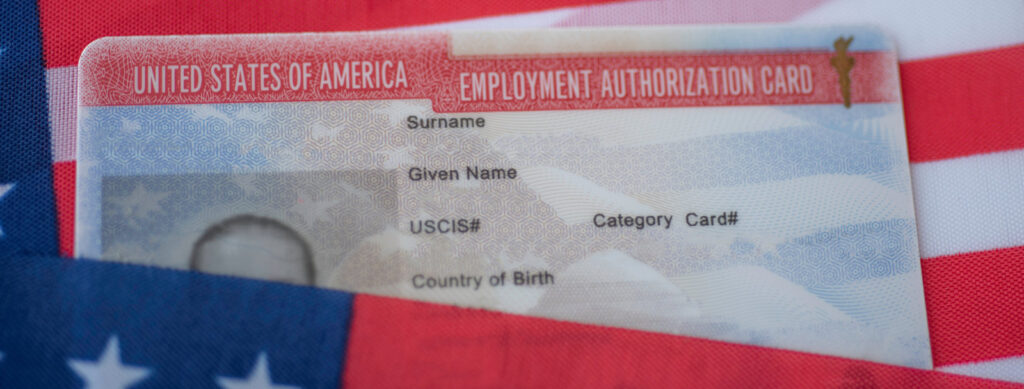
U.S. Citizenship and Immigration Services (USCIS) has recently updated its Policy Manual to shorten how long certain Employment Authorization Documents (EADs) are valid. The goal is simple: more frequent screening and vetting of noncitizens who are authorized to work in the United States.
If you currently have, or plan to apply for, a work permit, these changes are important and may affect how often you need to renew your EAD.
Why Is USCIS Making This Change?
According to USCIS, shortening EAD validity periods allows the agency to review applicants more frequently. This increased review cycle is meant to reduce fraud, identify security concerns sooner, and ensure that individuals working in the U.S. continue to meet eligibility requirements.
USCIS leadership has stated that public safety concerns and national security considerations are a major driver behind the new rule, prompting the agency to move away from longer EAD approval periods.
EAD Validity Reduced From 5 Years to 18 Months for Certain Categories
For several common immigration categories, the maximum EAD validity period has been reduced from five years back to 18 months, both for initial applications and renewals.
This applies to individuals in the following situations:
Refugees
Asylees
Individuals granted withholding of removal or deportation
Individuals with pending asylum or withholding of removal applications
Applicants with pending adjustment of status applications under INA §245
Individuals with pending applications for suspension of deportation, cancellation of removal, or relief under NACARA
These shorter validity periods apply to any EAD applications that are pending or filed on or after December 5, 2025.
One-Year EAD Limits Required by New Federal Law
Recent legislation has created even shorter EAD validity periods for additional groups. Under H.R. 1, also known as the One Big Beautiful Bill Act, signed into law on July 4, 2025, USCIS must limit EAD validity to one year, or until the underlying immigration status expires, whichever comes first.
This change affects:
Paroled refugees
Individuals granted Temporary Protected Status (TPS)
Individuals granted parole
Applicants with pending TPS applications
Spouses of entrepreneur parole beneficiaries
USCIS implemented these requirements following a Federal Register notice published on July 22, 2025. The new one-year validity rules apply to any Form I-765 applications that were pending or filed on or after July 22, 2025.
What This Means for Immigrants and Employers
Shorter EAD validity periods mean more frequent renewals. That can lead to:
More paperwork
Higher filing costs over time
Greater risk of work authorization gaps if renewals are not filed early
For employers, this also means keeping a closer eye on employee work authorization expiration dates to stay compliant with federal employment laws.
How an Immigration Attorney Can Help
With these changes, timing and accuracy matter more than ever. An experienced immigration attorney can help you:
Understand which validity period applies to your situation
File renewals early to avoid work interruptions
Track changes in USCIS policy as enforcement continues to evolve
If you have questions about EAD renewals, TPS, asylum-based work permits, or parole-based employment authorization, contact our office so we can help you stay ahead of these new requirements and protect your ability to work legally in the United States.